Aquarium Plant Problems: Melting, Holes, and Yellow Leaves
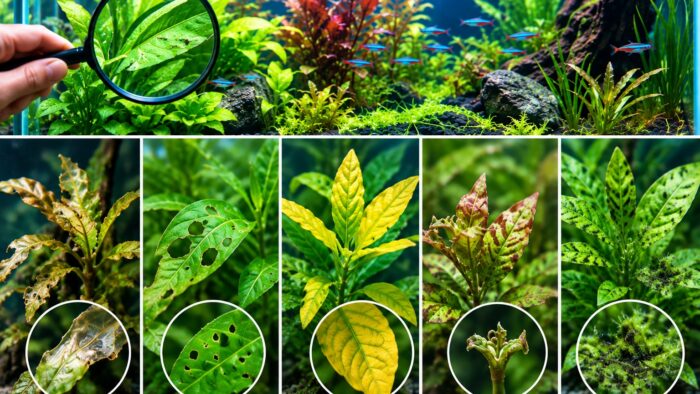
Diagnose aquarium plant problems by symptom: melting after planting, pinholes, yellowing, stunted tips and algae on leaves each point to a different cause.
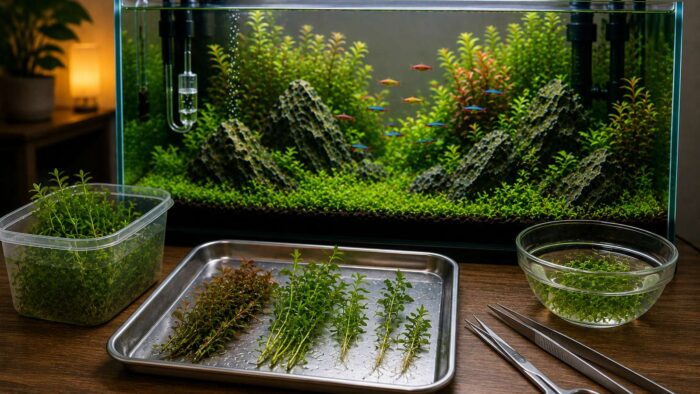
Create a balanced aquascape with practical advice on aquatic plants, hardscape, lighting, substrate, layout, growth, and maintenance.
Read the newest practical guides, tips, and explanations in this section.
Diagnose aquarium plant problems by symptom: melting after planting, pinholes, yellowing, stunted tips and algae on leaves each point to a different cause.
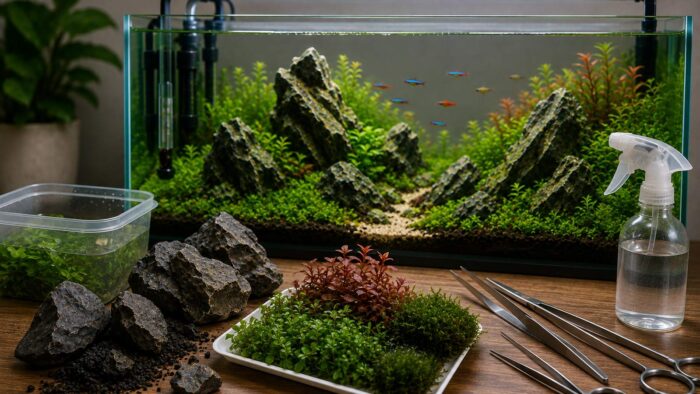
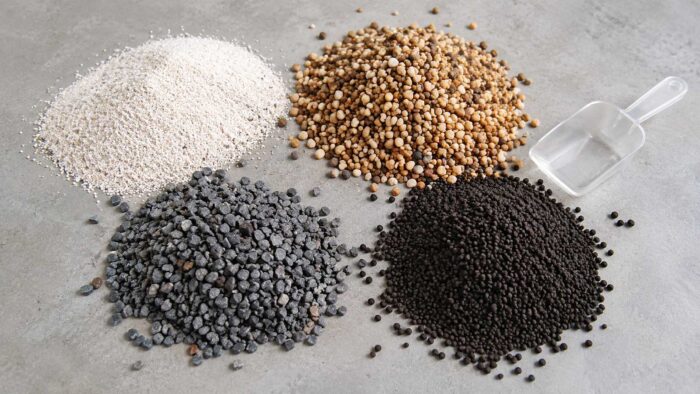
What aquarium plants actually need, the difference between macro and micro nutrients, when root tabs beat liquid dosing, and how to choose a fertilising routine.
A complete hub for aquascaping: choosing a style, building hardscape, selecting plants, setting up lighting and CO2, and maintaining a layout as it grows in.
Gravel, sand, or aquasoil? Your substrate affects plants, fish, and water chemistry. Here is how to choose the right aquarium substrate for your tank.
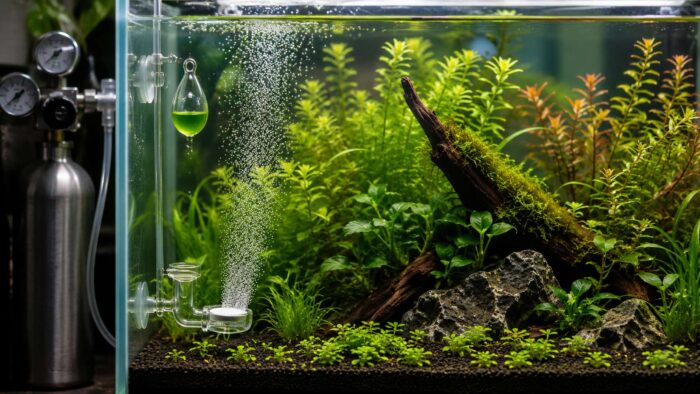
CO2 injection transforms a planted tank, but it is not always necessary. Here is what CO2 does, who needs it, and how to decide for your aquascape.
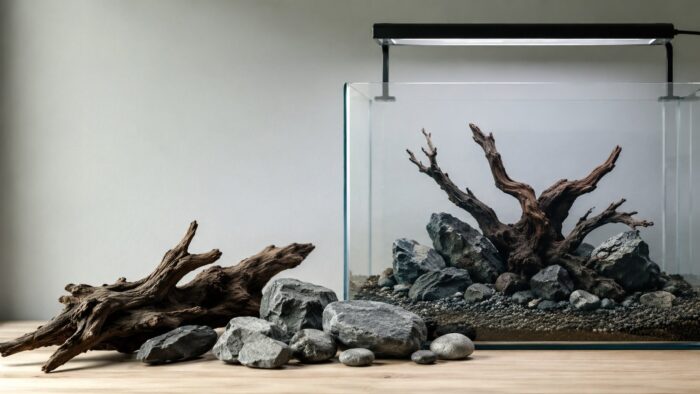
Hardscape is the skeleton of an aquascape. Choose and prepare your rocks and wood correctly and they become a stable, beautiful foundation.
Beginner success with live plants comes down to which plants you choose. These forgiving species grow under a basic light with no injected carbon.
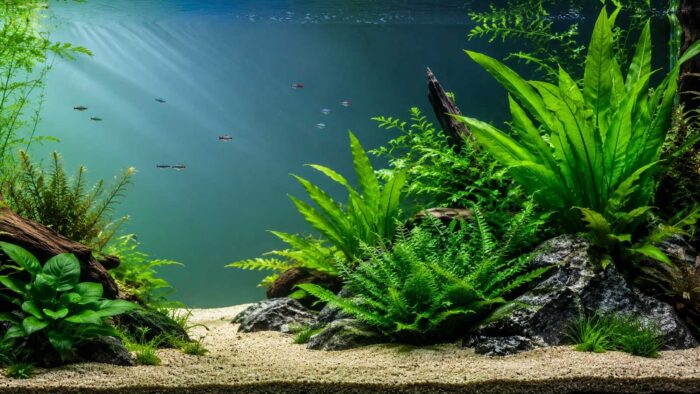
Aquatic plants for low light tanks: fifteen species that grow without CO2, including anubias, java fern and cryptocoryne, with placement for each.
Aquascaping layout principles that actually work: the rule of thirds, focal points, depth and negative space, and the hardscape choices behind each.
Browse related aquarium guides.
Tank setup, cycling, stocking, and the first weeks of fishkeeping.
Species profiles, compatibility, tank size, diet, and everyday care.
Marine fish, corals, reef chemistry, filtration, and stable saltwater systems.
Water quality, quarantine, common health concerns, and responsible treatment.
Nutrition, feeding amounts, schedules, food types, and species needs.
Filters, heaters, lights, pumps, water changes, and routine tank upkeep.