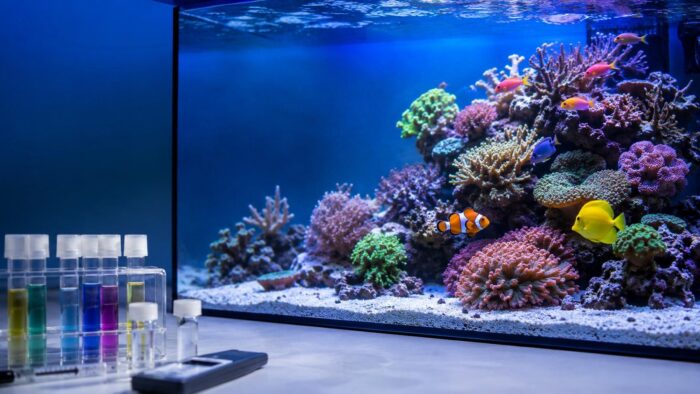
Saltwater Aquariums: The Complete Beginner’s Guide
A complete hub for marine fishkeeping: what saltwater really demands, the equipment that matters, how to cycle a marine tank, and the order to add livestock in.
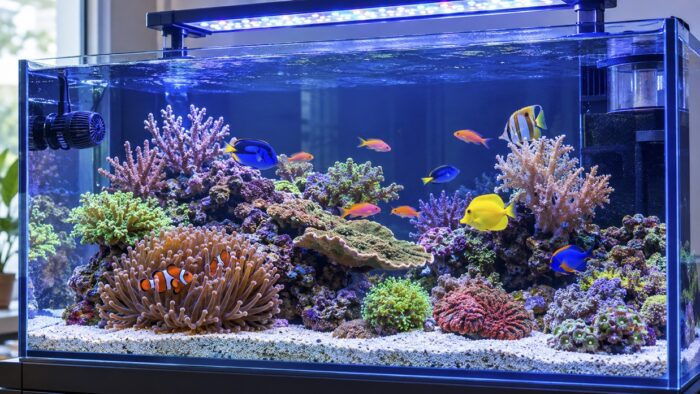
Build and maintain a stable marine aquarium with guidance on saltwater setup, reef chemistry, fish, corals, filtration, and routine care.
Read the newest practical guides, tips, and explanations in this section.
A complete hub for marine fishkeeping: what saltwater really demands, the equipment that matters, how to cycle a marine tank, and the order to add livestock in.
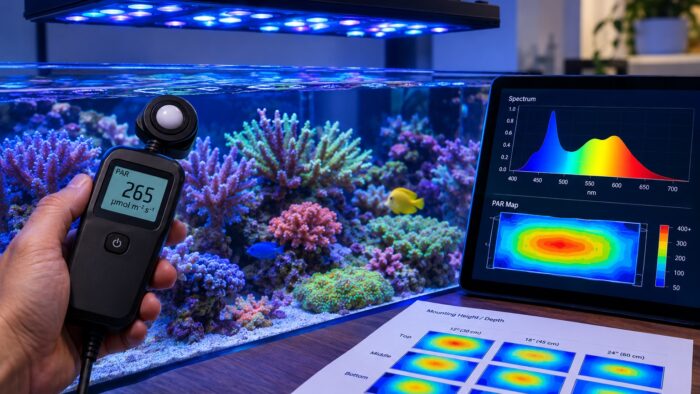
Reef lighting is measured in PAR, not watts or lumens. Here is what corals actually need, how to place them by light demand, and how to set a photoperiod that works.
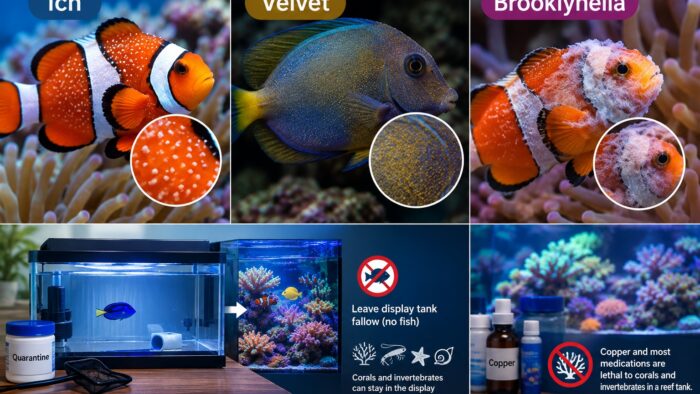
Marine ich, velvet and Brooklynella kill quickly and cannot be treated in a reef tank. Learn to tell them apart, respond correctly, and prevent them with quarantine.
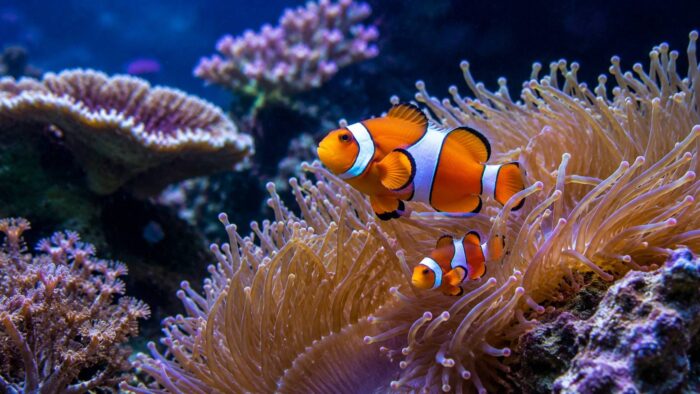
Clownfish are the ideal first marine fish: hardy, captive-bred, and full of personality. Here is how to keep a healthy, bonded clownfish pair.
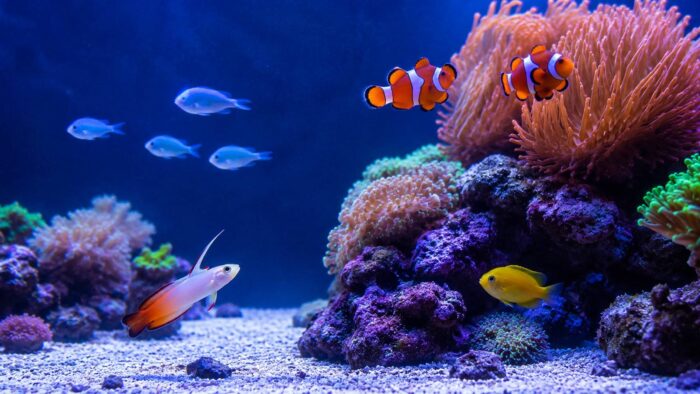
Choose captive-bred, compatible marine fish, add them slowly, and use quarantine to protect a stable fish-only or reef aquarium.
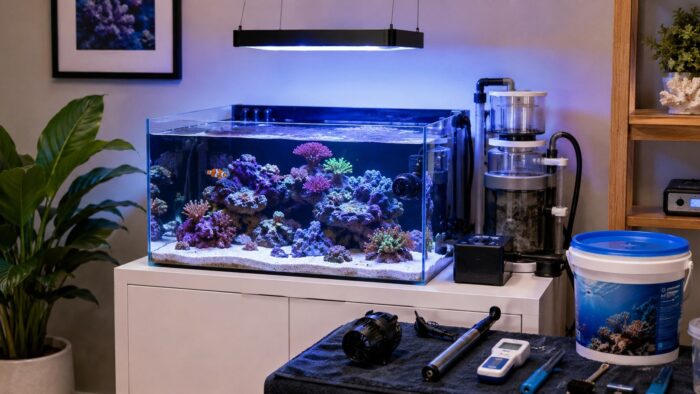
Saltwater needs more gear than freshwater, and the industry oversells. Here is the genuine essential list, what you can skip at first, and how to budget.
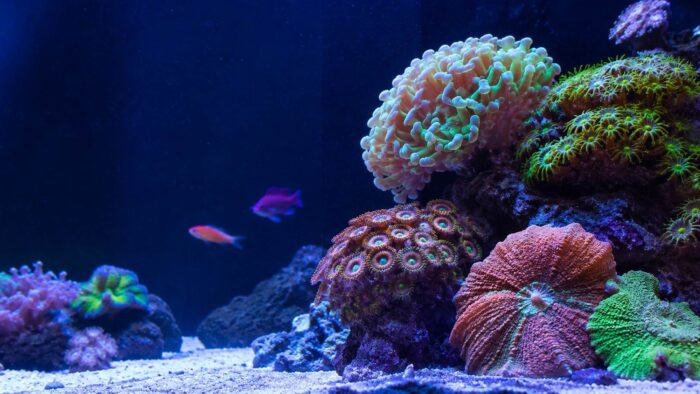
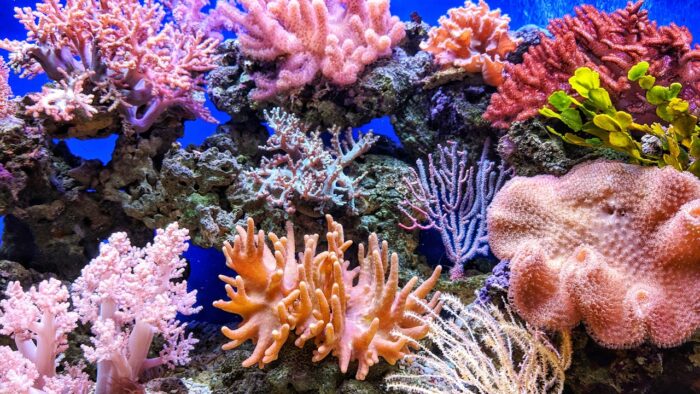
Start with soft corals and a few hardy stony types, and save delicate species for a mature tank. Here are the forgiving corals that thrive for beginners.
Reef chemistry punishes neglect. Here are the parameters corals depend on, where to keep them, and why steadiness beats chasing perfect numbers.
A nano reef costs several times more than a freshwater tank and needs more upkeep. Here is the honest equipment list and the order to add livestock.
Browse related aquarium guides.
Tank setup, cycling, stocking, and the first weeks of fishkeeping.
Species profiles, compatibility, tank size, diet, and everyday care.
Water quality, quarantine, common health concerns, and responsible treatment.
Aquatic plants, hardscape, lighting, layouts, and practical design ideas.
Nutrition, feeding amounts, schedules, food types, and species needs.
Filters, heaters, lights, pumps, water changes, and routine tank upkeep.