The fastest way to kill coral is to buy it for a tank that is not ready. Corals belong in mature, stable systems, not in a reef that is a few weeks old. Once your parameters hold steady, though, the right beginner corals are surprisingly tough and grow into a colorful display that forgives the occasional mistake.
Start with soft corals and a few hardy stony types. Save the demanding small polyp stony corals for after you have a year or so of steady water behind you. the guide to reef tank water parameters explains the conditions these corals depend on.
When to add coral
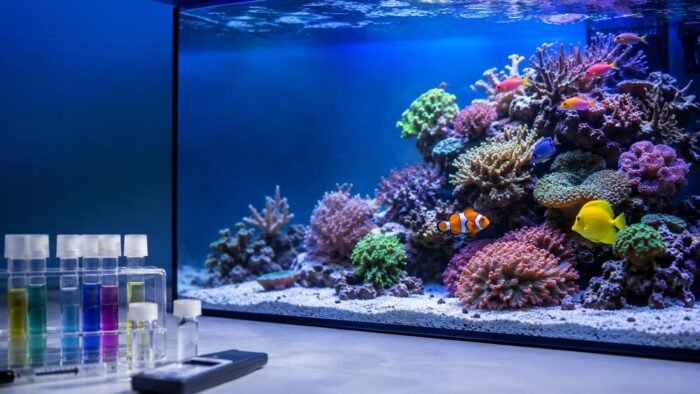
Wait until your tank has cycled fully and held stable parameters for several weeks, ideally a couple of months. A new reef swings as it matures, and those swings are exactly what corals hate. Add corals slowly, one or a few at a time, watching how each settles before adding more.
The easiest soft corals
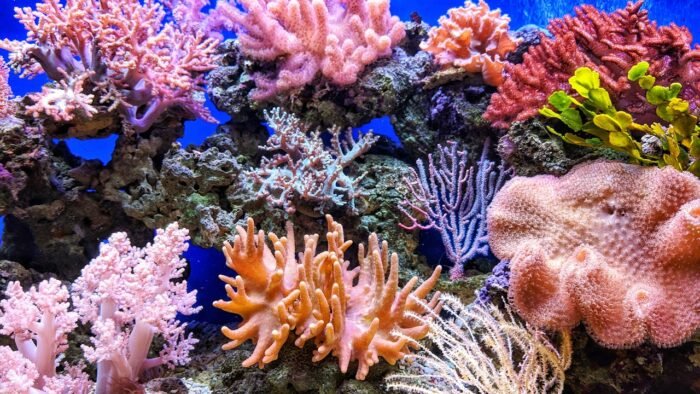
Soft corals tolerate a wider range of conditions and lower light, which makes them ideal first choices.
- Mushroom corals. Almost bulletproof. They tolerate lower light and flow and spread on their own.
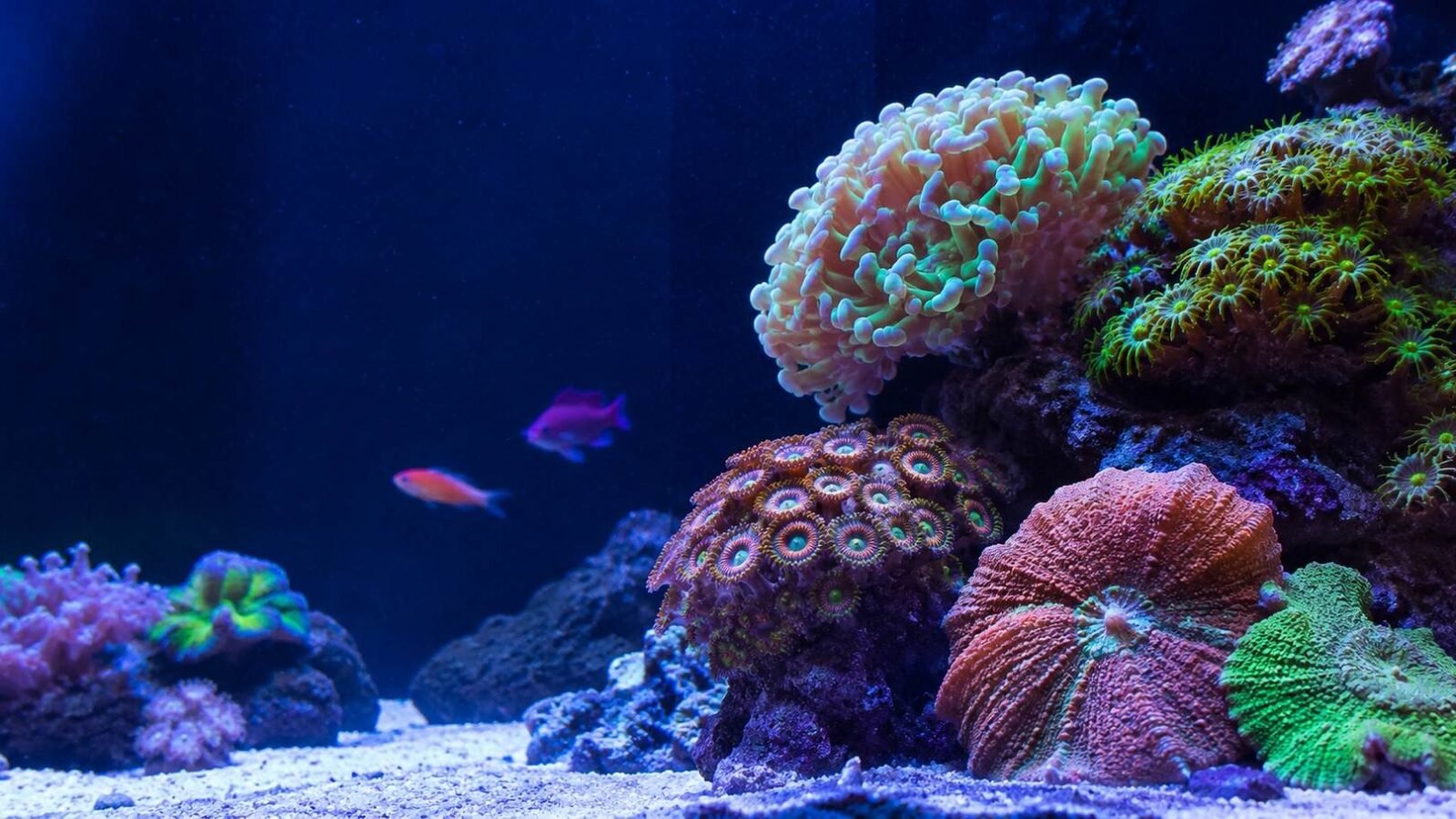
- Zoanthids. Colorful colonies that grow quickly and adapt well, though some carry an irritating toxin, so handle them with care.
- Green star polyps. A fast spreading mat of bright polyps that thrives in most conditions.
- Leather corals. Hardy and tolerant, with a soft, swaying form once established.
Hardy large polyp stony corals
When your tank is stable, these stony corals add structure and bright color without the demands of the most delicate species.
- Hammer and frogspawn. Flowing tentacles and strong color, forgiving once parameters hold.
- Duncan coral. A clustering coral that responds eagerly to feeding and grows fast.
- Candy cane coral. Round, banded heads that tolerate moderate light and flow.
What to avoid as a beginner
Hold off on small polyp stony corals such as acropora, along with anemones and any coral labeled as demanding. They need rock solid stability, strong light, and pristine nutrients that a young tank cannot reliably provide. There is no rush. These become realistic once your system has proven itself.
Placement: light and flow
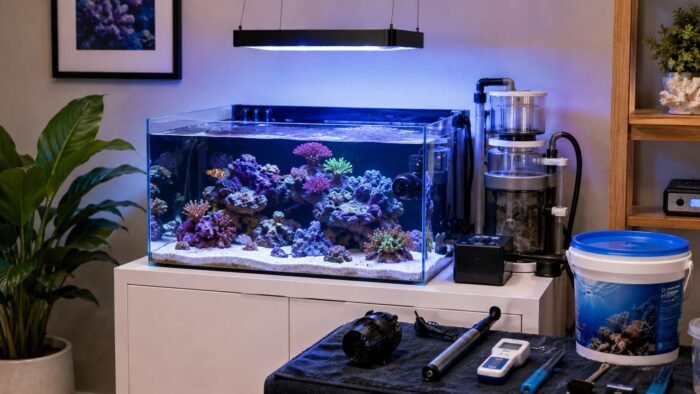
Every coral has preferences for light intensity and water movement, and placing them well prevents most problems. As a rule, soft corals and large polyp stony corals do well lower in the tank under moderate light and gentle to medium flow, while light hungry species sit higher. Watch each coral after placing it. A happy coral opens fully, while one that stays closed for days usually wants a different spot. The flow and lighting in our saltwater equipment guide shape these choices.
Feeding and acclimation
Many corals gain energy from light through their symbiotic algae, but large polyp stony corals like duncans also accept direct feeding of small meaty foods, which speeds growth. When adding any coral, acclimate it slowly to your water as you would a fish, following the guide on how to acclimate new fish, and consider a coral dip to remove pests before it goes in. Pairing corals with peaceful, reef friendly fish from our clownfish guide keeps the whole tank harmonious.
A mature tank is the best beginner coral tool
Waiting for a new reef to settle is often more valuable than buying another product. Hardy soft corals and suitable large-polyp stony corals respond better when salinity, temperature, nutrients, and alkalinity have been stable for a sustained period rather than merely reaching a target once.
Buy only corals the system can support
Corals are living animals with species-specific light, flow, aggression, and space requirements. Add only animals the current tank can support, leave room for growth, and avoid buying delicate species merely because they are marketed as beginner friendly.
Questions about choosing first corals
How long should I wait before adding coral?
Until the tank has cycled and held stable parameters for several weeks, ideally a couple of months. Stability matters more than the exact timeline.
What is the easiest coral for beginners?
Mushroom corals and green star polyps are about as forgiving as corals get, tolerating lower light and flow while still growing well.
Can I keep an anemone with my clownfish?
Not as a beginner. Anemones need a mature, stable tank and strong light. Clownfish are perfectly happy without one while you gain experience.
Start with hardy corals after the tank settles
Let the tank mature, then start with soft corals and hardy large polyp stony types like hammers and duncans. Skip the delicate small polyp stony corals and anemones until your water has been steady for months. Place corals by their light and flow needs, acclimate and dip new arrivals, and build the reef slowly.