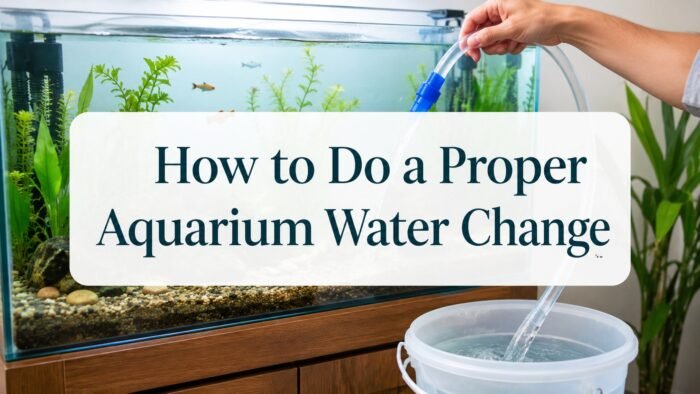
How to Do a Proper Aquarium Water Change
The water change is the single most important maintenance task in fishkeeping. Here is how to do one safely, how much to change, and how often.
I am a dedicated content professional with extensive experience creating well-researched articles, blogs, journals, and industry-focused content across multiple niches. My work is driven by in-depth research, fact verification, and a commitment to delivering accurate, valuable, and reader-focused information.
The water change is the single most important maintenance task in fishkeeping. Here is how to do one safely, how much to change, and how often.
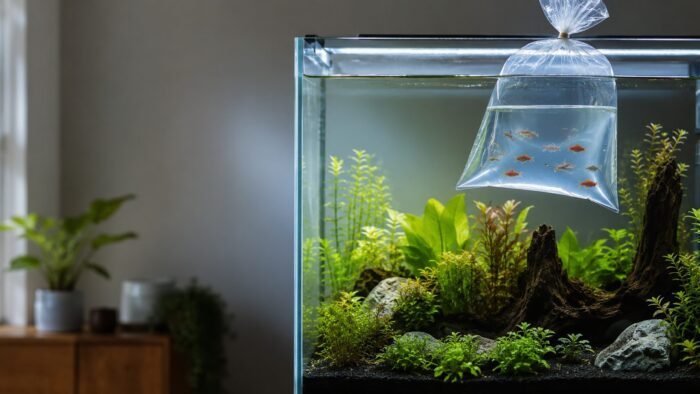
Match temperature and water chemistry with an acclimation method suited to the species, travel time, and condition of the transport water.
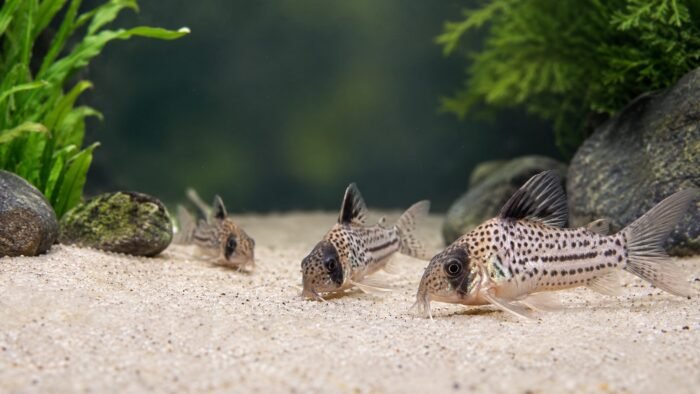
Corydoras are social, charming bottom dwellers, not a cleanup crew. Here is how to keep them in proper groups on the right substrate with a real diet.
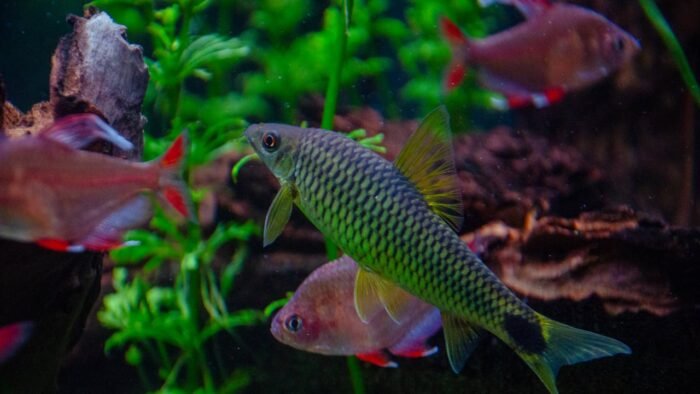
A beginner-friendly fish is hardy, stays small, plays well with others, and forgives early mistakes. Here are ten species that fit, plus the ones to avoid.
The one inch per gallon rule sends beginners straight into trouble. Here is what actually limits how many fish a tank can hold, and a safer way to plan.
A nano reef costs several times more than a freshwater tank and needs more upkeep. Here is the honest equipment list and the order to add livestock.
A planted tank without CO2 or premium lights still works if you choose the right species. Here are ten hardy plants that thrive on standard equipment.
The aquascapes that stop you scrolling rely on a few design rules borrowed from painting and gardening. Master four of them and skip the rest for now.
Filtration does three jobs: mechanical, biological, and chemical. The filter type matters less than capacity and maintenance. Here is what truly counts.
Identify the algae or cyanobacteria first, then correct the light, waste, flow, nutrient, or plant-growth imbalance that is allowing it to spread.