A betta can share a tank with peaceful, short-finned, non-nipping species if the tank is large enough and the individual betta tolerates company. The usual minimum for a community with a betta is about 40 litres (10 US gallons), heavily planted, with a plan to separate the fish if it goes badly. Good candidates are bottom dwellers and small calm schooling fish. Avoid other bettas, fin nippers, and anything with long flowing fins or bright colours that a betta may read as a rival.
Compatibility at a glance
| Tank mate | Compatibility | Minimum tank | Notes |
|---|---|---|---|
| Nerite or mystery snails | Good | 20 litres | Low risk; some bettas nip antennae |
| Corydoras (small species, group of 6) | Good | 60 litres | Peaceful bottom dwellers; need a group and soft substrate |
| Kuhli loaches (group) | Good | 75 litres | Nocturnal; stay out of the way |
| Ember or harlequin rasboras (school of 6 to 8) | Good | 60 litres | Calm mid-water schoolers |
| Neon or cardinal tetras (school) | Often works | 60 litres | Usually fine in a larger group; watch for nipping |
| Amano shrimp | Often works | 40 litres | Large enough to be left alone by many bettas |
| Cherry shrimp | Risky | 40 litres | Often hunted; needs dense cover |
| Guppies, especially males | Avoid | Any | Long colourful fins trigger aggression |
| Tiger barbs, serpae tetras | Avoid | Any | Fin nippers |
| Another male betta; gouramis | Avoid | Any | Will fight |
Add the betta last, watch closely for the first few days, and keep a spare tank or divider ready.
The betta’s reputation as a lone warrior is only half true. Male bettas will fight each other to serious injury, and that part is non-negotiable. But a single betta in a suitably sized, well-planted tank can coexist with a surprising range of calm, quick, unflashy neighbours. Success is roughly one-third species choice, one-third tank setup, and one-third the personality of your individual betta, which you cannot know until you try.
The Ground Rules
- Minimum 10 gallons for any community attempt. In a 5-gallon tank a betta should live alone, full stop. Shared space needs escape routes and territory for everyone.
- One betta per tank. Never two males. Skip female sororities unless you are experienced; they fail more often than they work.
- Heavy planting is half the battle. Broken sight lines, floating plants and caves defuse most chases before they start.
- Avoid anything colourful, long-finned or nippy. Bettas attack what looks like a rival and get shredded by fin nippers in return.
- Always have a plan B. A breeder box, a divider or a spare tank, in case your particular betta vetoes the whole project.
The Best Tank Mates
Corydoras catfish
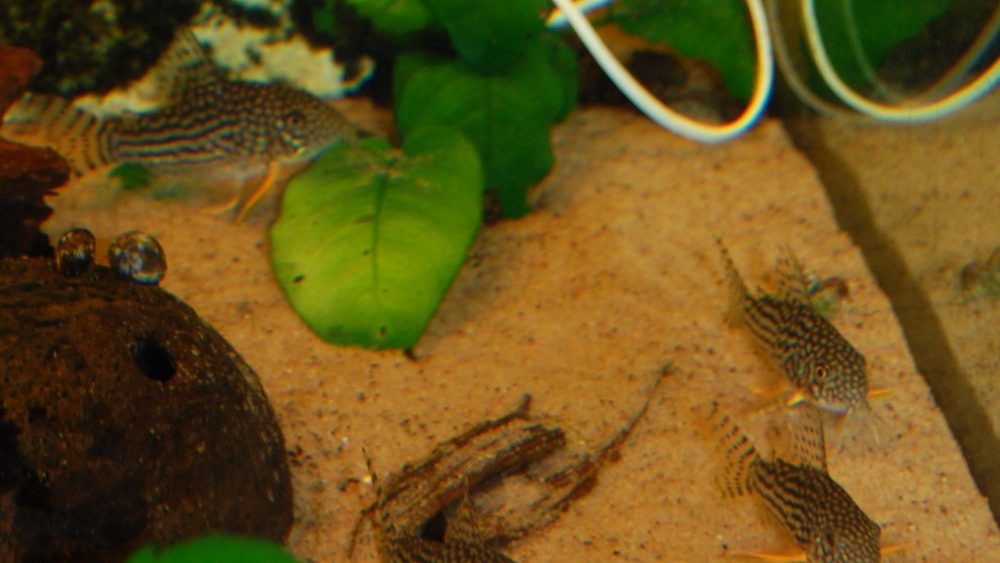
The gold standard. Cories live on the bottom, ignore everything above them, and are armoured besides. A group of six pygmy or panda cories in a 10 to 20 gallon tank with a betta is one of the most reliable pairings in the hobby.
Kuhli loaches
Nocturnal, eel-shaped bottom dwellers that spend daylight hidden. They occupy a completely different layer of the tank and have effectively zero conflict potential. Keep at least three to five.
Harlequin rasboras
Calm, quick, modestly coloured schooling fish from the same Southeast Asian waters as wild bettas. A school of eight in a 20 gallon rarely draws a second glance from a betta.
Ember tetras
Small, peaceful and fast. Their orange is warm rather than flashy, and they are too quick to catch and too small to be seen as rivals. School of eight or more.
Snails
Nerite and mystery snails handle algae and leftovers and are generally ignored, though some bettas nip at snail antennae. If yours does, the snail usually learns to keep them retracted; persistent harassment means rehoming the snail.
Amano shrimp
Large and plain enough to usually be ignored, unlike small colourful shrimp. Cherry shrimp with a betta are a gamble that often becomes an expensive snack; attempt only with dense moss cover and low expectations.

Tank Mates to Avoid
- Guppies and other long-finned or bright fish: male guppies read as rival bettas and get attacked.
- Tiger barbs, serpae tetras and other nippers: a betta’s fins are an irresistible target, and a nipped betta becomes a stressed, sick betta.
- Gouramis and paradise fish: close relatives, mutual aggression.
- Anything that outcompetes at feeding: bettas are slow, deliberate surface feeders, so fast surface feeders can starve them over weeks.
Introducing Them the Smart Way
Add the tank mates first and the betta last, so the betta does not watch invaders arrive in claimed territory. Rearrange decor on introduction day if the betta was already resident. Keep the lights off for the first few hours, feed both parties, and watch closely for the first week. Flaring and a brief chase or two in the first days are normal posturing; relentless pursuit, torn fins or a fish pinned in hiding mean the experiment is over.
Tank Size Changes Every Answer
Most betta tank-mate failures are really tank-size failures. In 20 litres, the honest list of companions is snails, and perhaps shrimp with heavy cover and realistic expectations. At 40 to 60 litres, bottom-dwellers like a small group of corydoras become genuinely comfortable, occupying a different layer from the betta’s territory. From 75 litres upward, midwater schools such as harlequin rasboras or ember tetras get the swimming room that lets them stay out of the betta’s space, and the whole community concept starts working as advertised. Pick the tank first with our guide to choosing aquarium size, then shop the list, never the reverse.
Individual temperament is the wildcard that no list fixes: some bettas tolerate anything, a minority tolerate nothing. Have a backup plan for every introduction, whether that is a divider, a spare tank, or the shop’s return policy. The fundamentals of keeping the betta himself content are in our betta care guide.
Can two male bettas share a divided tank?
With an opaque or heavily planted divider and at least 40 litres total, yes, many keepers run divided setups successfully. Clear dividers with constant visual contact keep both fish in a state of permanent display, which is the chronic stress that shortens lives; see how long bettas live for what that costs.
The Bottom Line
Pick calm, plain, fast or bottom-dwelling companions, give them a planted 10 gallons or more, and let your betta cast the deciding vote. For the wider picture of who gets along with whom beyond bettas, our fish compatibility guide covers the whole community puzzle.
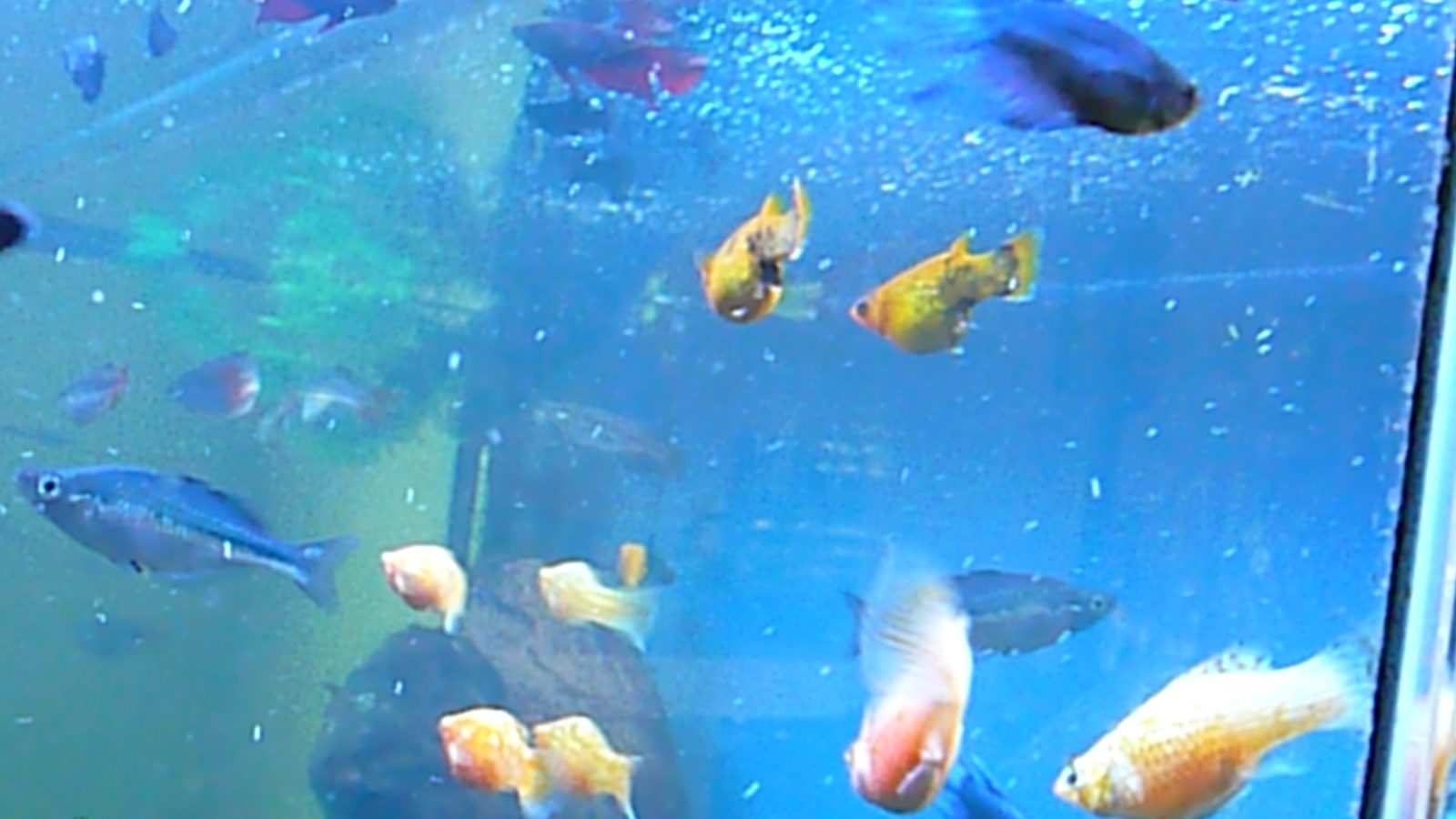
Featured image: Female bettas in community tank. Photo: No machine-readable author provided. Epastore assumed (based (CC BY-SA 3.0), via Wikimedia Commons.