The betta is one of the most popular and most misunderstood fish in the hobby. Sold in tiny cups and often kept in bowls barely larger, it has a reputation for surviving anything, which leads to widespread poor care. Bettas are hardy, but hardy is not the same as thriving. With a properly sized, heated, filtered tank, a betta lives three to five years, displays brilliant color, and develops a genuine personality. This guide covers what a betta actually needs, not the bare minimum it can endure.
Bettas are intelligent, interactive fish that recognize their keepers, patrol their territory, and respond to routine. Given the right environment, a betta is not a passive ornament but an engaging little pet, and the gap between a surviving betta and a thriving one comes down to a few inexpensive, easily met needs.
Tank size and setup
Despite the cup-and-bowl imagery, bettas need a real tank. Five gallons is a sensible minimum, and a betta will use every inch of more. The tank should be heated, filtered, and lidded, since bettas are skilled jumpers. Add gentle decor and live or silk plants; a betta’s long fins tear easily on sharp plastic ornaments.
Water and temperature
Bettas are tropical fish from warm, still waters in Southeast Asia. They need stable warmth and clean water.
- Temperature: 78 to 80°F, held steady with a small heater.
- pH: around 6.5 to 7.5, with stability mattering more than the exact value.
- Ammonia and nitrite: zero, in a fully cycled tank.
- Gentle flow, since strong currents exhaust a long-finned betta.
Like every fish, a betta needs a cycled tank and regular water changes, typically 25 to 30 percent weekly in a 5-gallon setup.
Diet
Bettas are carnivores with small stomachs, so they need protein-rich food in small amounts. A quality betta pellet as the staple, supplemented with frozen or freeze-dried bloodworms and brine shrimp a few times a week, covers their needs. Feed only what the betta eats in a couple of minutes, once or twice a day, and include a weekly fasting day, since bettas are prone to bloating and constipation from overfeeding. the broader guide to feeding fish correctly explains why portion control matters so much.
Tankmates and temperament
The name betta is often paired with “Siamese fighting fish” for good reason. Two males will fight, sometimes to the death, and should never share a tank. A single male is happiest as the centerpiece of a community or as a solo fish.
- Good tankmates in a larger tank: peaceful, non-nippy species such as corydoras, small rasboras, and snails.
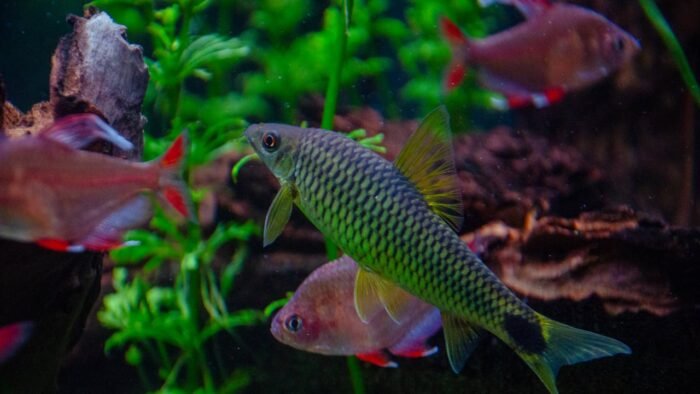
- Avoid: fin-nippers like tiger barbs, other bettas, and brightly colored fish a betta may mistake for a rival.
- Never house two males together, and keep females together only in carefully managed groups in larger tanks.
When choosing companions, the same temperament rules from the list of beginner-friendly community fish apply: peaceful, similarly sized, and not inclined to nip.
Betta varieties
Bettas come in a remarkable range of colors and fin types, all the same species but bred for appearance. Knowing the main types helps you choose and care for one correctly.
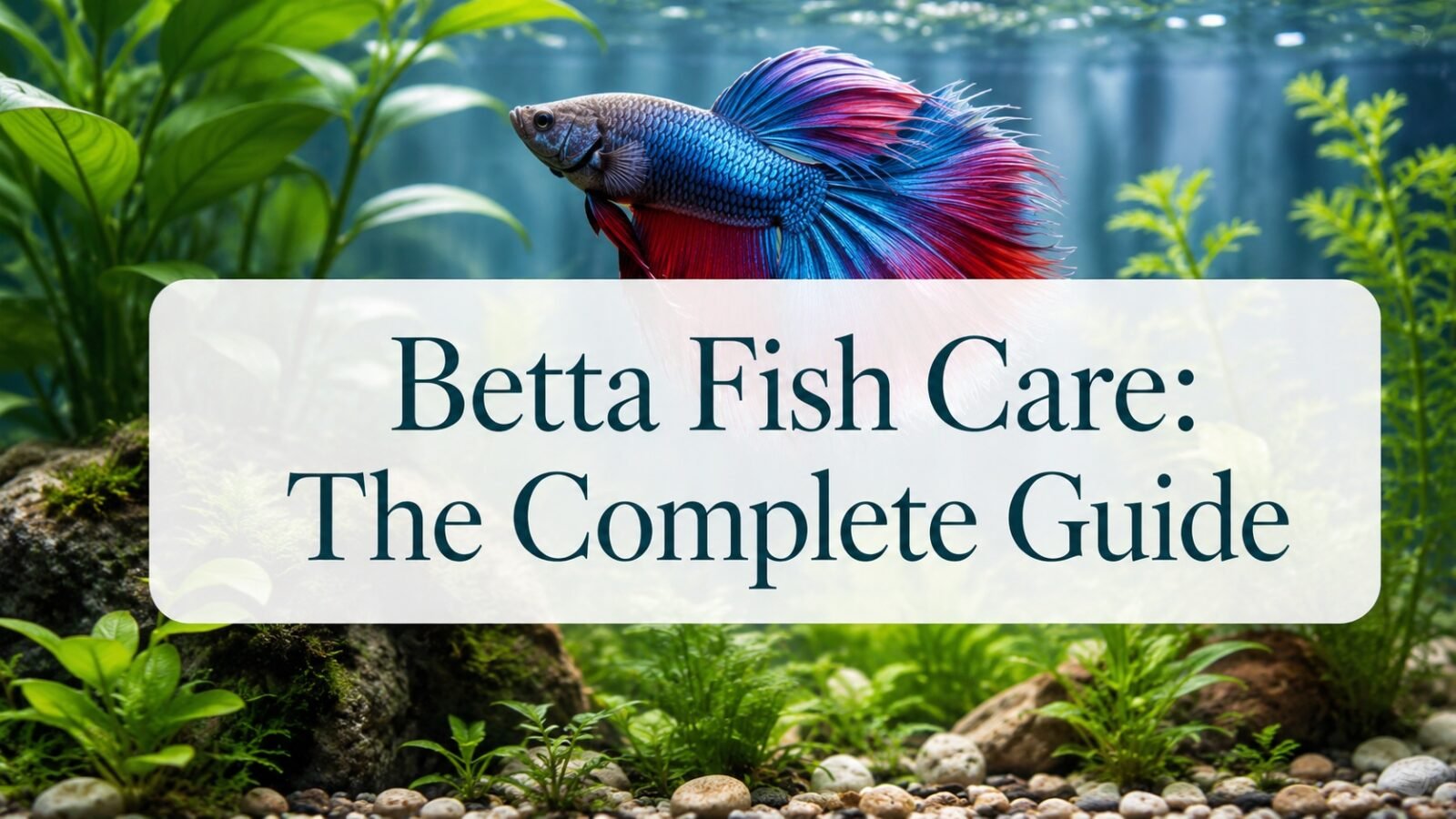
- Veiltail: the common long-finned form, hardy and inexpensive.
- Halfmoon and delta: dramatic, wide-spreading tails that are more prone to fin damage and tearing.
- Plakat: short-finned and the closest to the wild form, often the most active and least fin-troubled.
- Crowntail: spiky, webbed fins that are striking but delicate.
Long-finned varieties are more vulnerable to fin damage and being weighed down, so they especially benefit from gentle flow and smooth decor.
Signs of a healthy, happy betta
A thriving betta tells you so through its behavior and appearance.
- Active swimming and exploration rather than constant resting on the bottom.
- Bright, even color and fins held open rather than clamped.
- A healthy appetite and interest in food and movement outside the tank.
- Building bubble nests at the surface, a natural sign of a comfortable male.
A betta that hides constantly, has clamped or deteriorating fins, or loses color is usually telling you something is wrong with the water temperature or quality.
Common health issues
Most betta health problems trace back to cold water, dirty water, or overfeeding. Fin rot, the most common, usually follows poor water quality and frayed fins. Bloating and constipation come from too much food. Recognizing and treating these early is covered in our disease guide, but prevention through a heated, cycled, clean tank handles the vast majority of cases.
Buying a healthy betta
- Look for active fish with intact, undamaged fins and bright, even color.
- Avoid bettas that lie listless at the bottom or have clamped fins.
- Check for visible spots, sores, or a swollen belly.
- Remember that color and fin type are cosmetic; temperament and health vary by individual, not just variety.
Common mistakes
- Keeping a betta in an unheated bowl, which shortens its life dramatically.
- Skipping the filter and relying on occasional full water changes.
- Overfeeding, the leading cause of betta bloating.
- Housing males together or with fin-nipping tankmates.
Heat and stable water matter more than decoration
The single biggest improvement most betta owners can make is adding a heater. A betta kept at room temperature is chronically cold, sluggish, and prone to disease, even if it appears to be surviving. A small heater and a cycled 5-gallon tank transform a betta’s health and behavior more than any other upgrade.
When water correction is not enough
Cold, uncycled, or dirty water commonly contributes to betta illness. Correct measurable environmental problems first. Persistent swelling, severe fin loss, breathing difficulty, open sores, or inability to remain upright needs a more specific diagnosis rather than repeated trial-and-error medication.
Practical betta-care questions
Can a betta live in a bowl?
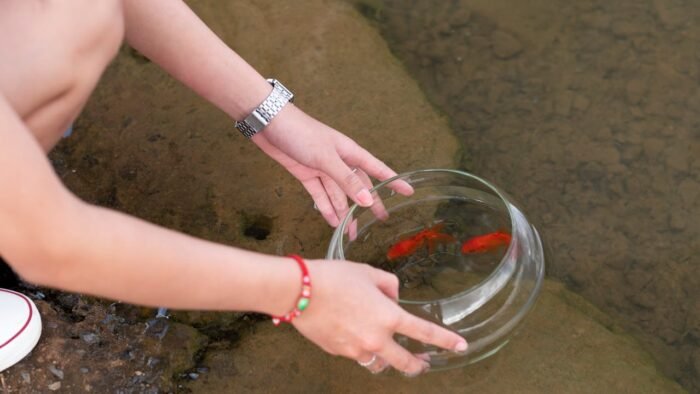
It can survive for a time, but it cannot thrive. Bowls lack heating and filtration and let waste concentrate quickly, leading to a shorter, less healthy life.
Do bettas need a filter?
Yes. A gentle filter maintains the biological cycle and water quality. Choose one with adjustable or baffled flow so it does not buffet the betta’s fins.
How long do bettas live?
With proper care, three to five years is typical, occasionally longer. Poor conditions cut that to a year or less.
Do female bettas need different care?
Female bettas need the same heated, filtered, cycled tank as males. They are generally less aggressive toward each other and can sometimes be kept in carefully managed groups in larger tanks, but their core water and diet needs are identical.
A heated, filtered tank gives bettas a fair start
Give a betta a heated, filtered, cycled tank of at least five gallons, feed small amounts of protein-rich food with a weekly fast, keep the water clean, and choose tankmates carefully. Treat it as a tropical fish with real needs rather than a decoration, and it rewards you with years of color and character.