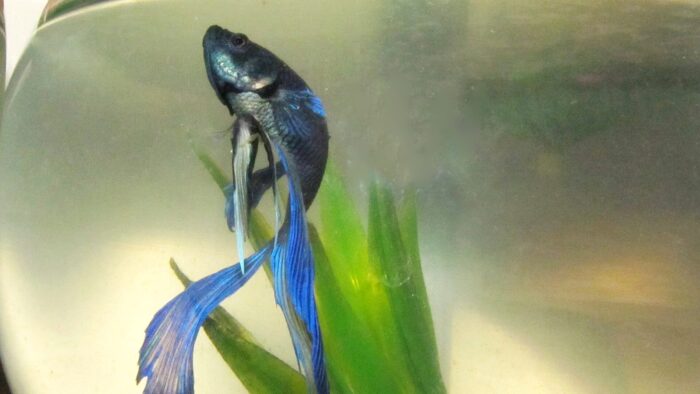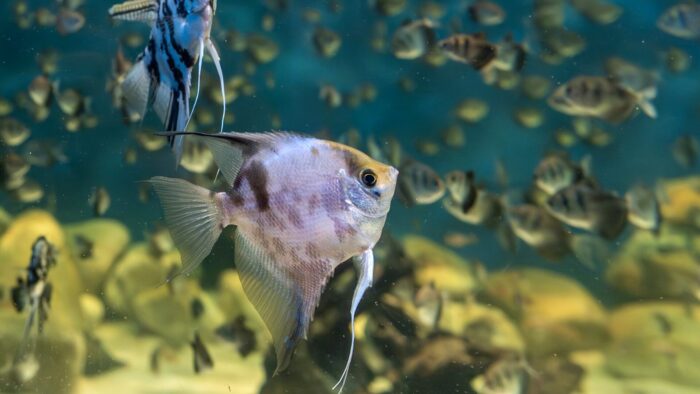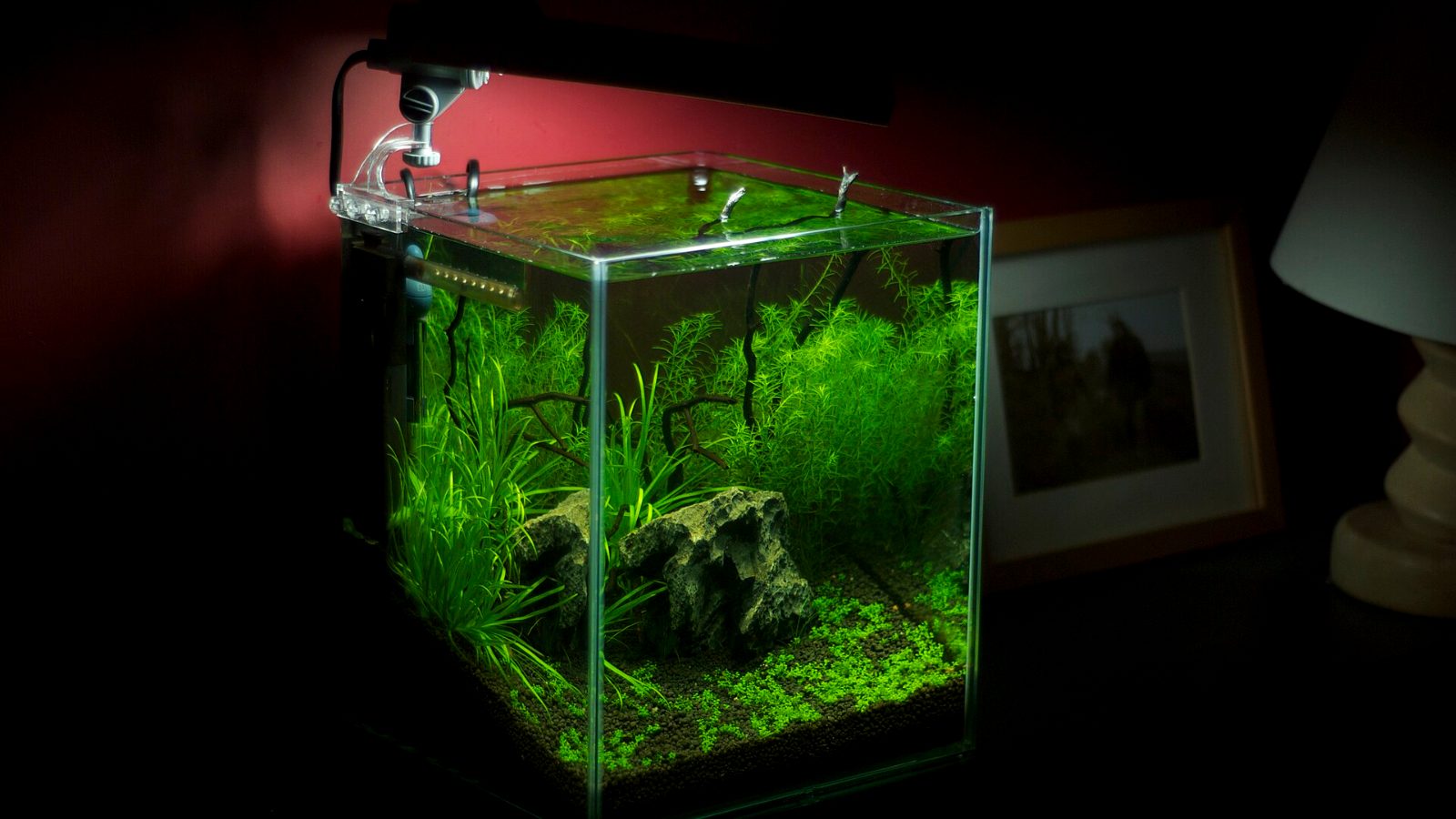
A 10-gallon (about 38 litre) tank suits a small number of small fish, and it works best with one clear plan: a single betta with snails or shrimp, one small school of nano fish, or a shrimp colony. Avoid goldfish, common plecos, angelfish and other species that grow large or produce heavy waste. Small tanks swing in temperature and water quality faster than big ones, so stock lightly, cycle the tank fully first, and change 25 to 30 percent of the water weekly.
Stocking plans that work
| Plan | Stock | Notes |
|---|---|---|
| Betta showcase | 1 betta, 1 or 2 nerite snails | Heated, gentle flow, plenty of plants |
| Nano school | 8 to 10 ember tetras or chili rasboras | Planted; dark substrate shows colour |
| Livebearer tank | 5 or 6 male Endler’s livebearers | All males avoids a population boom |
| Shrimp colony | 10 or more cherry shrimp, a few snails | Moss and fine-leaved plants; sponge filter |
| School plus clean-up | 6 ember tetras, 6 pygmy corydoras | Sand substrate for the corydoras |
| Single pair | A pair of sparkling gouramis or scarlet badis | Dense planting; small live or frozen foods |
| Avoid in 10 gallons | Why |
|---|---|
| Goldfish | Grow large; heavy waste |
| Common pleco, most other plecos | Outgrow the tank |
| Angelfish, most cichlids | Too tall, too territorial |
| Full-size schooling fish (tiger barbs, larger tetras) | Need more swimming room |
| Mixed “one of each” communities | Schooling fish need groups |
The 10-gallon is the most commonly sold aquarium in the world, and probably the most commonly overstocked. The angelfish, goldfish and common plecos that get squeezed into them all belong in far bigger tanks. But treat 10 gallons as what it is, a nano tank with real limits, and it offers some beautiful, stable setups. Here are stocking plans that hold up long term, each assuming a cycled, filtered, heated and ideally planted tank.
Plan 1: The Betta Centrepiece
1 betta, 6 pygmy corydoras, 1 nerite snail. The classic done right. The betta owns the upper layers, the pygmy cories potter along the bottom, and the nerite handles algae. Heavy planting keeps everyone relaxed. See our betta tank mates guide before adding anything else.
Plan 2: The Nano Schooling Display
10 to 12 ember tetras or chili rasboras. One species, one big school, nothing else. A dense group of tiny fish over dark substrate and green plants looks more striking than any mixed community at this size, and the single-species bioload is easy to manage.
Plan 3: The Guppy Colony
3 to 5 male guppies, 1 nerite or mystery snail. Males only, so the tank does not become a nursery with hundreds of fry. All-male groups show the full colour range and stay within the tank’s limits. Add floating plants; guppies love them.
Plan 4: The Shrimp Garden
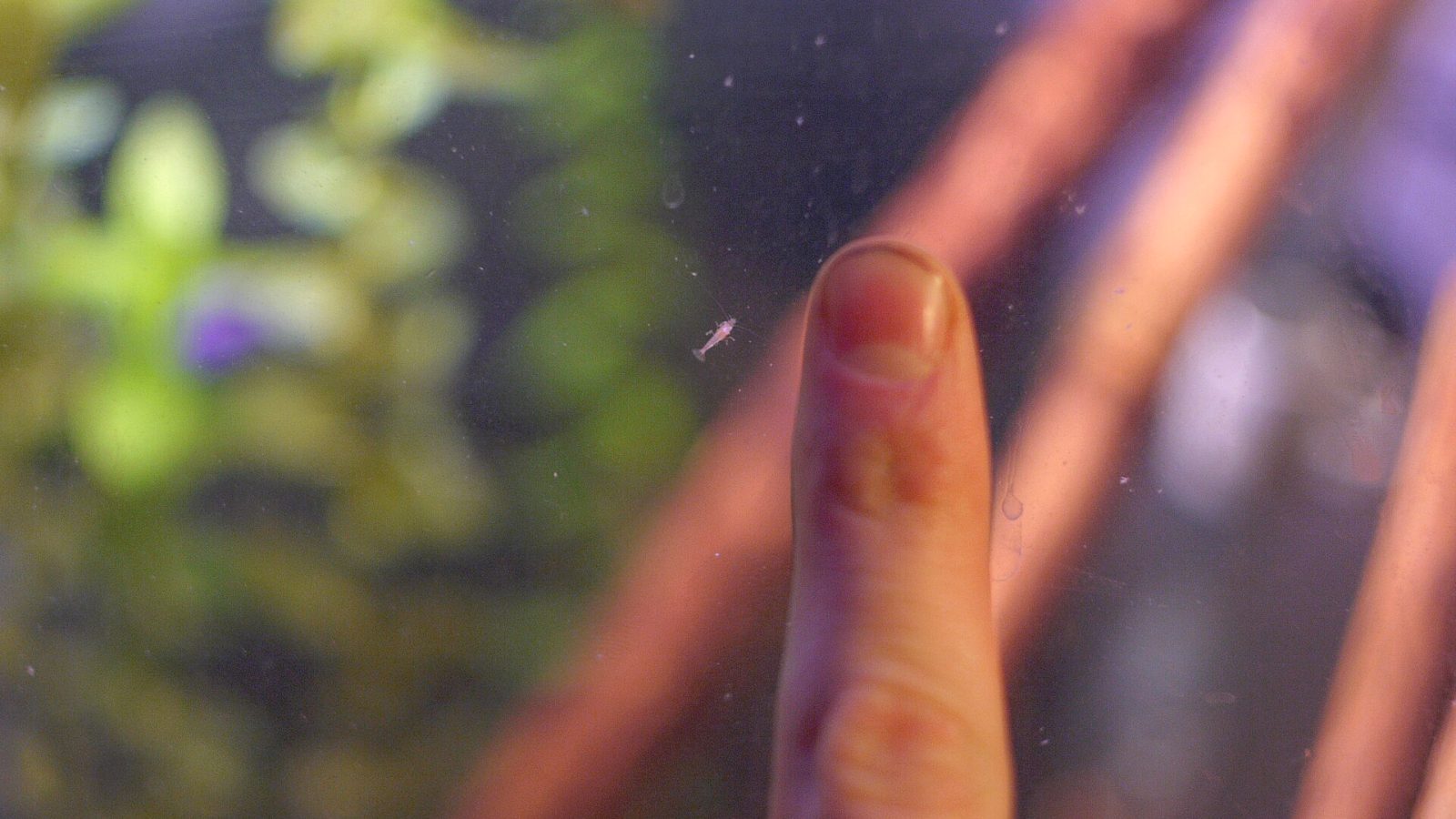
15 to 20 cherry shrimp, a colony that grows, plus optional chili rasboras. A planted shrimp tank is the lowest-bioload, lowest-maintenance option on this list and arguably the most fun to watch up close. Shrimp-only tanks can even run on a simple sponge filter.
Plan 5: The Oddball Duo
1 honey gourami, 8 kuhli loaches. The honey gourami is the betta alternative nobody regrets: peaceful, curious and golden. Kuhlis hide by day and patrol by night. Sand substrate is strongly preferred for the loaches.
Plan 6: The Breeder’s Starter
A pair of apistogramma or a trio of least killifish. A 10-gallon makes a fine species-only breeding project tank. Apistogramma cacatuoides pairs spawn readily in a cave; least killifish, actually tiny livebearers, colonise a planted 10 gallon happily.
Plan 7: The Walstad Jar, Scaled Up
Heavily planted soil-based tank, 8 celestial pearl danios, cherry shrimp. With soil under sand and plants filling most of the volume, the tank runs almost self-sufficiently, and CPDs show their best colour against dense greenery.
What Does Not Fit in 10 Gallons
- Goldfish: even one fancy goldfish needs 20 to 30 gallons and produces waste a 10 cannot process.
- Angelfish, gouramis (except honey and sparkling), rainbow sharks, common plecos: all outgrow the tank, some within months.
- Neon or cardinal tetra communities plus other fish: the school alone is fine; the school plus a centrepiece plus bottom dwellers is the overstock trap. Pick two roles at most.
- Any fish sold as needing a group of six that grows past 4 cm: the maths simply fails at 10 gallons.
Rules of Thumb for Nano Stocking
Forget the old inch-per-gallon rule; it breaks exactly at this tank size. Instead: choose fish that stay under 4 to 5 cm, fill at most two of the three layers (top, middle, bottom), stock to about 70 percent of what feels possible, and let plants take up the slack. Weekly 30 percent water changes are non-negotiable in a tank this small, because mistakes concentrate fast in 38 litres.
The Stocking Math Behind Every Plan
Ten gallons is roughly 38 litres, and the plans above all respect the same constraints: one centrepiece fish or one small school, a cleanup crew, and nothing that grows past 5 or 6 centimetres. The inch-per-gallon rule fails at this size because it ignores behaviour; six danios technically fit but their swimming style wants a longer tank, while six ember tetras in the same volume are at ease. The full reasoning is in how many fish can you keep, and it is worth reading before swapping species into any plan.
Whichever plan you pick, the sequence is identical: hardscape and plant first, run the nitrogen cycle to completion with no fish, then stock over two to three weeks starting with the cleanup crew. Small tanks punish shortcuts harder than large ones because mistakes concentrate; that is also the argument for heavy planting, which buffers water quality while looking like the point of the tank. More layout inspiration at this size lives in our nano aquarium guide.
Can a 10-gallon be a shrimp-only tank?
It is arguably the best use of the size. A colony of cherry shrimp with moss and botanicals is self-sustaining, low-equipment, and more active than most people expect once the colony passes fifty animals.
The Bottom Line
A 10-gallon rewards restraint. One school done generously, or one centrepiece with one supporting cast, will outshine a crowded mix every time, and it will still look this good two years from now.
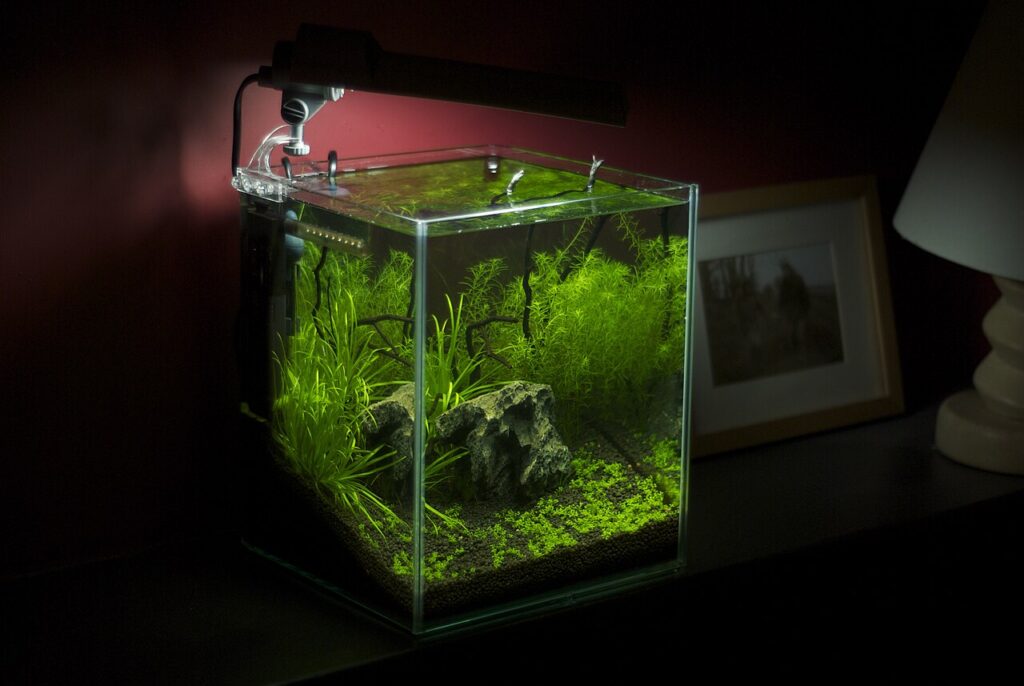
Featured image: Freshwater nano aquarium. Photo: Chris Penny (CC BY 2.0), via Wikimedia Commons.