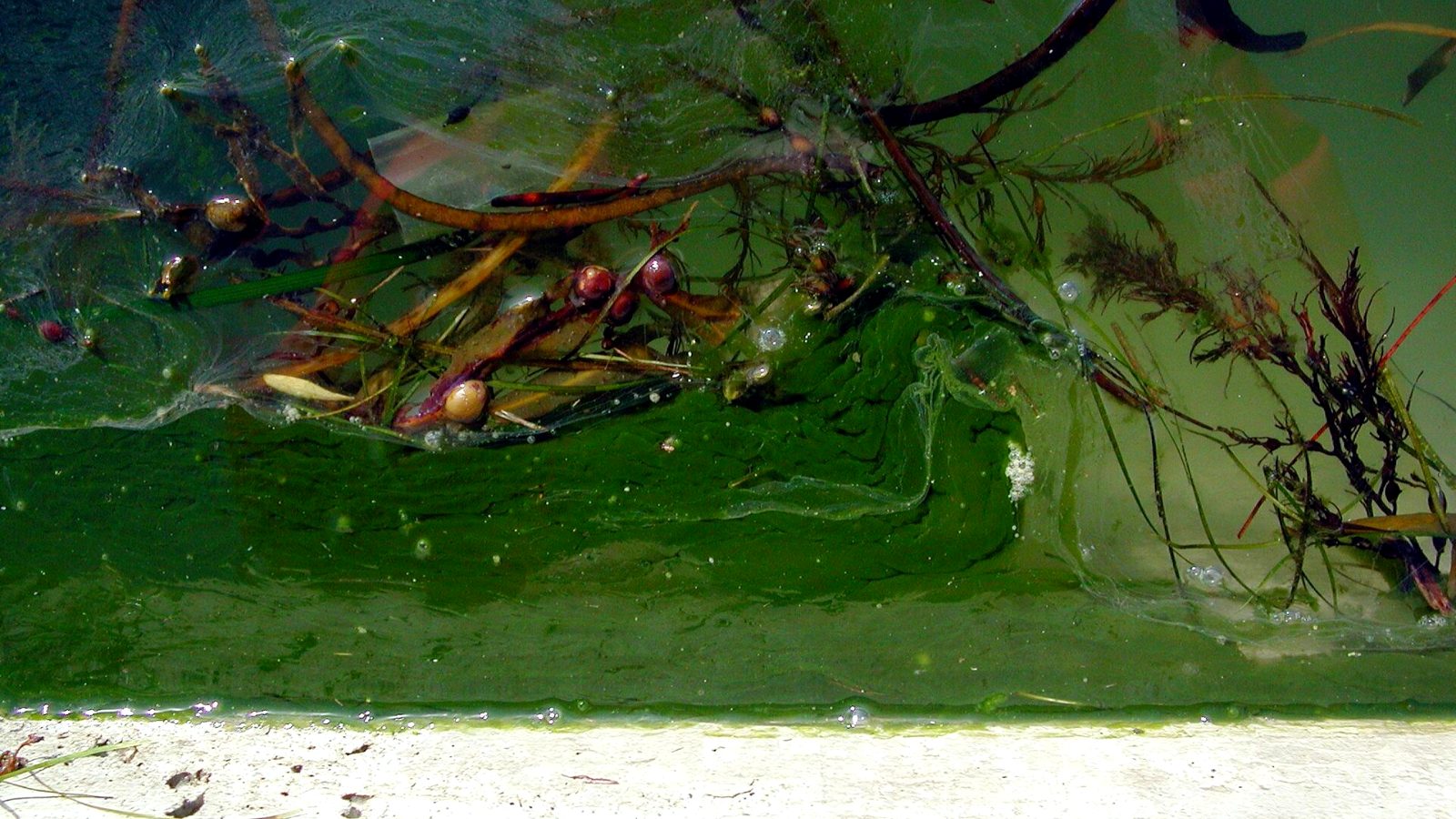
When aquarium water turns green, the tank has not suddenly become dirty. What you are looking at is a bloom of single-celled algae suspended in the water column itself. Each cell is microscopic, but billions of them together tint the water anywhere from a faint haze to pea soup so thick you cannot see the back glass. The good news: green water is one of the most fixable problems in the hobby, and it is rarely dangerous to fish in the short term.
What Actually Causes Green Water
Suspended algae need the same two things as any plant: light and nutrients. A bloom means the tank is oversupplying at least one of them.
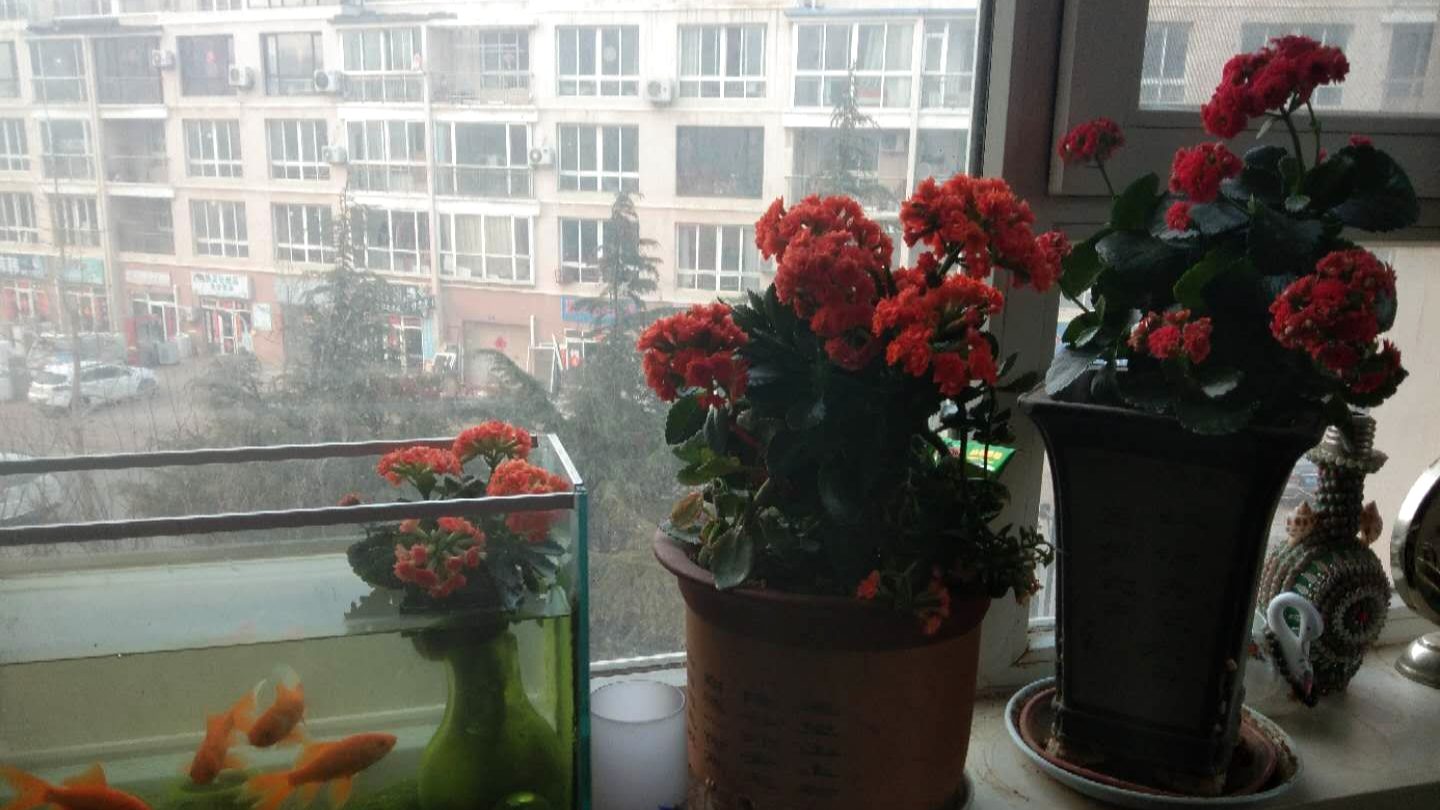
- Too much light. The most common trigger by far is a tank that receives direct or even strong indirect sunlight for part of the day. Window light is far more intense than most aquarium fixtures. Lights left on 12 or more hours a day have the same effect.
- Excess nutrients. Overfeeding, an overstocked tank, decaying plant matter, or long gaps between water changes all raise nitrate and phosphate, which fuel algae.
- New tank imbalance. Freshly set up tanks often bloom in the first weeks because the biofilter and plants have not yet started outcompeting algae for nutrients.
- Disturbed substrate. A deep gravel vacuum or rescape can release a pulse of nutrients that kicks off a bloom a few days later.
Green Water vs. Cloudy White Water
The two problems look similar at a glance but have different causes and fixes. White or grey haze is usually a bacterial bloom or fine particles; green tint is always algae. If your water is milky rather than green, see our guide to cloudy aquarium water instead, because the treatments below target algae specifically.
Is Green Water Harmful to Fish?
Not directly. Suspended algae are not toxic, and in outdoor ponds green water is often deliberate, since fry feed on it. The risks are indirect. A dense bloom produces oxygen by day but consumes it at night, so oxygen can dip sharply before dawn in a heavily bloomed tank. If the bloom crashes and dies all at once, the decaying algae can also spike ammonia. Treat green water promptly, but there is no need to panic or to move fish out.
How to Clear Green Water
1. Fix the light first
Move the tank out of sunlight or block the window side with a background. Cut the photoperiod to six to eight hours on a timer. For a severe bloom, do a full blackout: wrap the tank in towels or cardboard, turn the light off completely for three to four days, and add an airstone for oxygen. Fish are fine in the dark for that long, and most blooms collapse without light. Feed sparingly once a day during the blackout.
2. Starve the bloom of nutrients
Do a 30 to 50 percent water change, vacuum the substrate lightly, and cut feeding back to what the fish finish in under two minutes. Keep nitrate under about 20 ppm with regular weekly changes. Fast-growing live plants, especially floating species, are excellent long-term competition for algae.
3. Understand why water changes alone fail
Many keepers change half the water, watch the green fade slightly, and find it back within two days. That is normal. A water change removes algae cells but also leaves plenty behind, and the survivors multiply quickly while light and nutrients remain. Water changes support the cure; the light fix is the cure.
4. Use mechanical polishing for stubborn cases
Standard filter sponges are too coarse to trap single algae cells. A fine filter floss pad, a water polishing pad, or a diatom filter will physically strip cells out of the water. Rinse or replace the floss daily during treatment because it clogs fast.
5. Consider a UV sterilizer
A small in-line or submersible UV sterilizer kills suspended algae as water passes the bulb and will clear even a severe bloom in two to five days. It is the one fix that works regardless of cause, which also makes it a crutch: if you do not correct light and nutrients, the bloom returns the moment the UV is off. UV is most worth buying for tanks that must sit near a bright window.
Preventing the Next Bloom
- Run lights on a timer, six to eight hours daily.
- Keep the tank out of direct sunlight year round; spring sun angles catch many keepers by surprise.
- Feed only what is eaten in two minutes, once or twice a day.
- Change 25 to 30 percent of the water weekly and test nitrate monthly.
- Plant heavily, including floating plants, so algae have real competition.
Why Green Water Keeps Coming Back
Clearing a bloom is the easy part. If it returns within two or three weeks, one of the original drivers is still in place, and it is nearly always one of these three: the tank still gets direct window sun for part of the day, the light runs more than eight hours, or nutrients keep arriving faster than plants and water changes remove them. Walk through our algae troubleshooting guide and check the photoperiod advice in our lighting explainer before you buy any equipment to fight the symptom.
A repeating bloom is also a good reason to put feeding and water changes on a fixed maintenance schedule. Suspended algae exploits inconsistency faster than any other problem in the hobby.
Green Water Questions, Answered
How fast does a UV steriliser clear green water?
With a correctly sized unit and decent flow, water usually looks noticeably clearer in 2 to 3 days and polished within a week. If nothing changes after five days, the bulb is old, the flow is too fast, or the unit is undersized for the tank.
Will a blackout harm my plants?
A three to four day blackout sets most healthy stem plants and rosette plants back only slightly; they recover within a couple of weeks. Sensitive carpets suffer more. The suspended algae, with no reserves, almost always loses first.
Can daphnia really clear green water?
Yes, in a fish-free tank or container they filter it out within days, because green water is exactly what they eat. In a stocked tank the fish eat the daphnia first, so it only works as a trick for quarantine tanks and outdoor tubs. If you culture live food anyway, green water is free daphnia fuel rather than a crisis.
The Bottom Line
Green water is a light and nutrient problem wearing a scary costume. Cut the photoperiod, block sunlight, do a blackout if needed, and keep nutrients low, and the water will clear within a week in almost every case. Save the UV sterilizer for tanks where the light situation cannot be changed.
Featured image: Eaux colorées vertes en baie de Concarneau (Ifremer – – ) — Photo: Gregory Rocher (IFREMER, Centre Bretagne – ZI de la Pointe d (CC BY 4.0), via Wikimedia Commons.


